| Storage Temperature: 36 - 38 F |
| Ethylene Sensitive: Yes |
| Description: Large, fragrant, terminal blossoms 3
to 8 inches across on stems 12 to 24 inches long. |
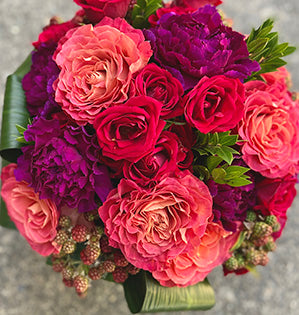
| Colors: Red, pink, rose, burgundy and white. |
| Botanical Facts: The name is from the Greek name
paionia. A reference to Paion, then physician to the gods in Greek mythology. |
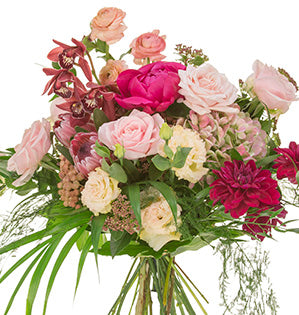
| Design Notes: These large beautiful blossoms work
well alone in a bouquet or in mixed arrangements. Peony blossoms make a excellent
focal point. Be sure to allow room in an arrangement for the blossoms to open fully.
Peonies are wilt sensitive and last far better in vase of water, compared to
designing them in floral foam. |
| Purchasing Hints: Purchase stems with fairly
tight buds, with the calyxes just beginning to open. The buds should be showing well
developed color. Once the flowers open the vase life is short. |
| Conditioning: Remove all foliage that will be
below the water line. Cut under water with a sharp knife. Hydrate in a solution of
warm water and commercial floral preservative / floral food for two hours before storage
or usage. Keep peonies in a cool dark location to retard opening. |
| Additional Notes: Peonies create an
atmosphere of understated opulence. They inspire images of grand porcelain bowls of
peonies gracing the boudoirs of distinguished ladies in stately homes, mansions and small
castles. Peonies have long been cultivated with care in walled gardens and epitomize
that full-blown English garden look. Japan too loves peonies. Their earliest peony
blooms are individually protected against snow by small thatched shelters. Some geishas
used to wear special peony colors. The Chinese, too, idolized this flower. We find peony
motifs, particularly bright red ones, on Chinese silks and in their exuberant
wood-carvings. The common thread is that the flower always denotes luxury and indulgence. |